
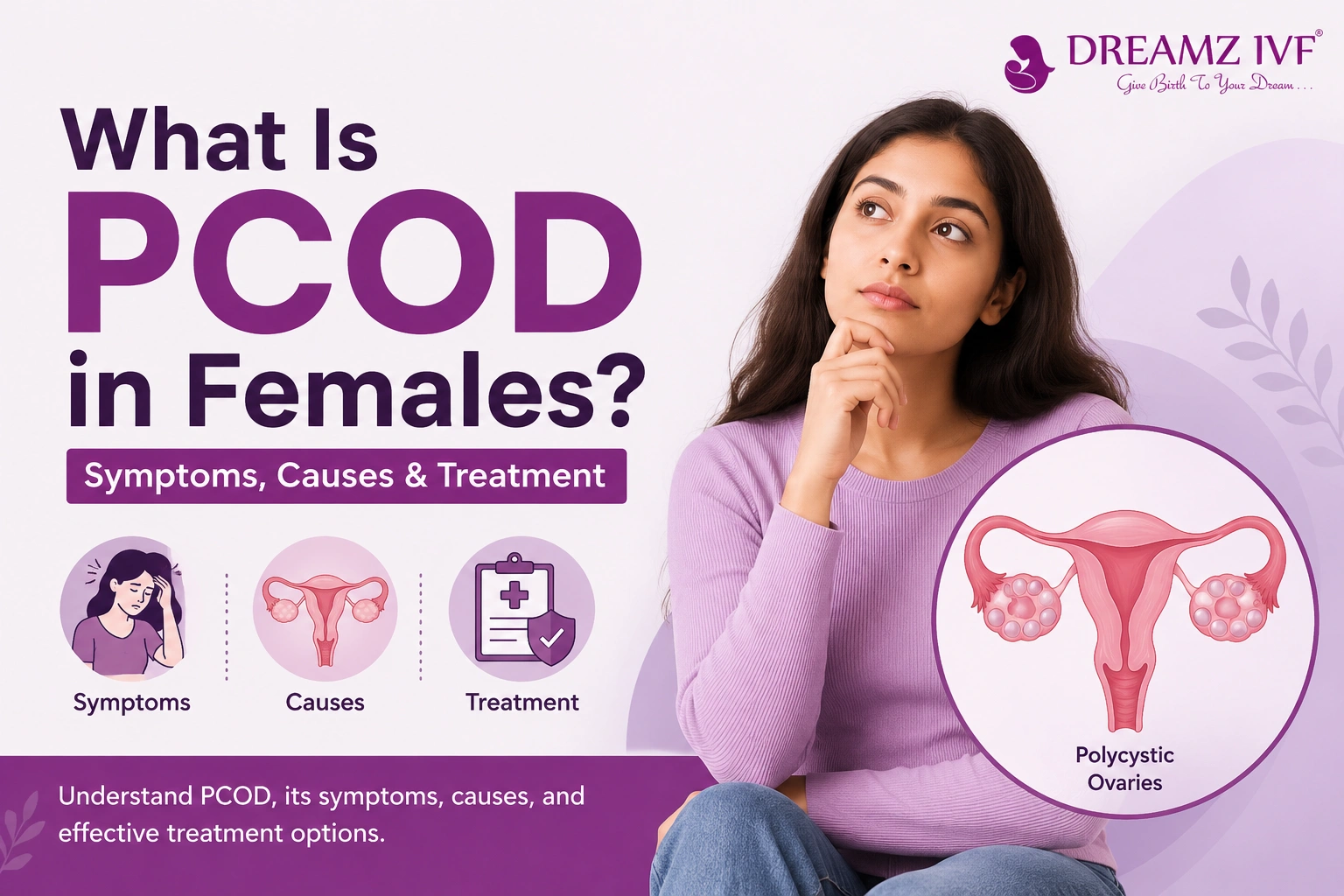
A lot of women today experience irregular menstrual cycles, sudden weight gain, or excessive hair growth at some point in life. Sometimes these symptoms might seem really small in the beginning, but together they could be signs of a common hormonal condition called PCOD. PCOD stands for polycystic ovarian disease. It affects many women, especially during their reproductive years. Even though it is very common today, many women still feel confused or worried. The good news is that PCOD can often be managed successfully with the right lifestyle management and medical support.
What is PCOD?
PCOS, or polycystic ovarian disease, is a hormonal condition that affects your ovaries. In PCOD, the ovaries might produce immature or partially mature eggs, which can turn into small cysts with time. These cysts are usually harmless, but they can affect your hormonal balance and normal ovulation
Women with PCOD often experience hormonal imbalance, especially involving:
- Androgens (male hormones present in small amounts in females)
- Insulin levels
- Reproductive hormones
This imbalance can lead to various physical and emotional symptoms.
How Common Is PCOD?
PCOD has become increasingly common among women today.
It often affects:
- Teenagers
- Young women
- Women in their 20s and 30s
Common symptoms of PCOD
Irregular menstrual cycles
One of the most common signs is irregular menstrual cycles. Your periods might be delayed, missed or very light. This happens because ovulation might not occur regularly.
Weight gain
Many women with PCOS even experience weight gain, especially around the abdomen. Losing weight might also become more difficult due to hormonal and insulin changes.
Acne and oily skin
Hormonal imbalance increases the oil production in your skin, leading to acne and pimples. This often continues beyond teenage years.
What causes PCOD?
Hormonal imbalance
Hormones play a major role in peaceful development. Higher androgen levels might interfere with normal ovulation and lead to symptoms like acne or excessive hair growth.
Insulin resistance
Many women have PCOD and insulin resistance. This means your body struggles to use insulin effectively, causing higher insulin levels in your blood.
Genetics
PCOD sometimes runs in families. If close family members have cold diabetes or hormonal disorders, the risk might increase.
Why Early Diagnosis Helps
Early diagnosis helps prevent long-term complications and improves symptom management.
Without proper care, PCOD may increase the risk of:
- Diabetes
- High blood pressure
- Weight-related problems
- Fertility issues
- Emotional stress
Managing symptoms early often leads to better long-term health.
Can PCOD be treated?
It cannot be treated permanently, but it can often be managed very successfully. Many women live healthy lives with proper management and support. Treatment depends on your symptoms, age, lifestyle, and pregnancy goals.
Medical treatments for PCOD
Doctors might recommend medications depending on your symptoms. These might include hormonal birth control pills, medicines for insulin resistance, and acne treatments. Treatment plans are different for every woman.
PCOD is a common hormonal condition that affects many women during the reproductive years. While symptoms like irregular periods, weight gain, and hormonal imbalance can feel frustrating, proper management often helps women live a healthy and balanced life
Also Read : Best Food to Improve Male Fertility
1 Comment
Comments are closed.