
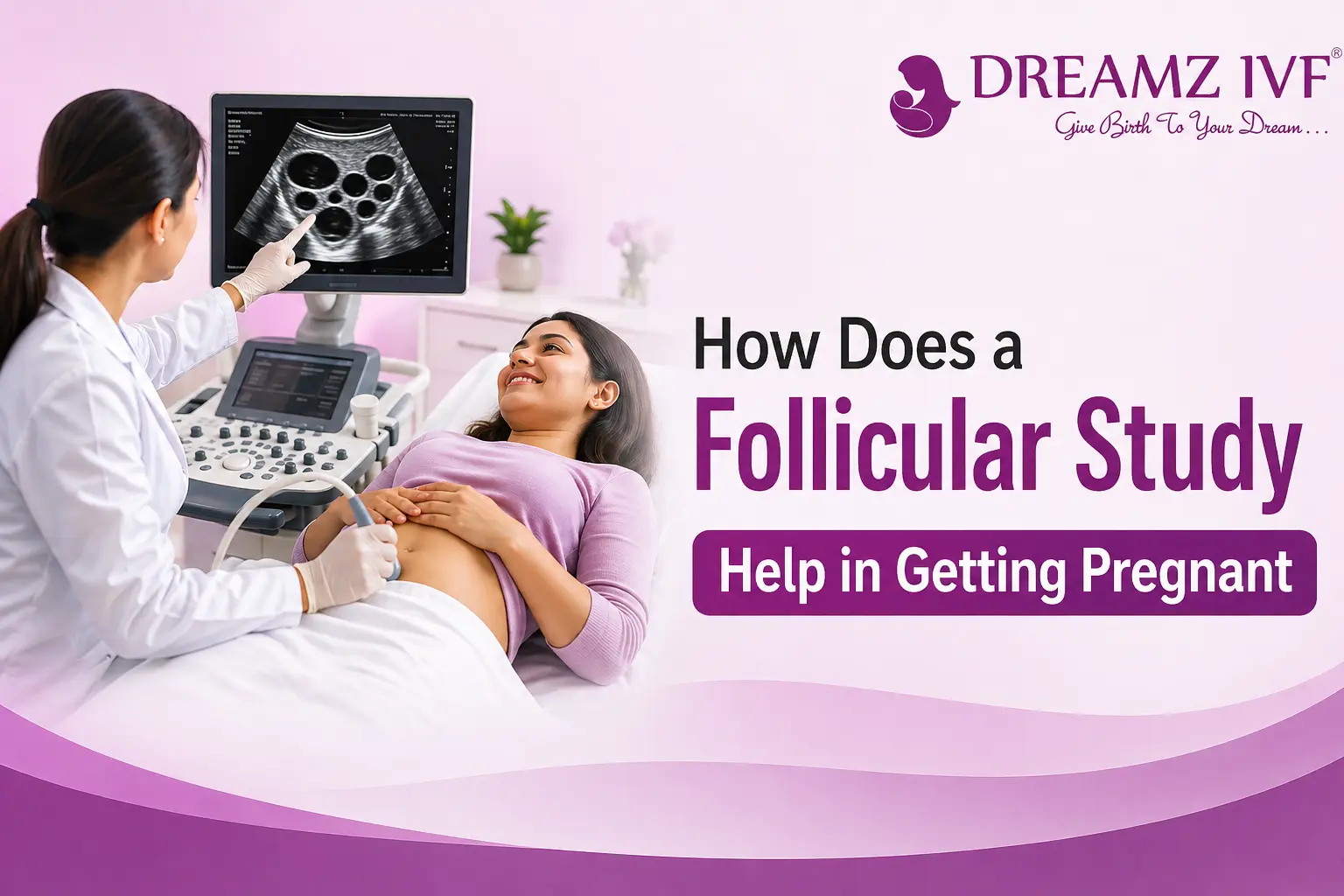
Attempting conception may be something puzzling. Time around is a big factor most of the time. Follicular study aids in monitoring the ovulation cycles. It is done through ultrasound to trace the development of follicles. These follicles have eggs, which are required for conception. The research demonstrates a period of time during which an egg can be mature. It also aids in determining the fertile window. This information is used to plan better by the doctors. It helps in natural conception and fertility procedures. This targeted approach is helpful to many couples. Follicular study enhances the knowledge of reproductive health. It tends to augment pregnancy success rates.
1. Tracks Follicle Growth Accurately
A follicular study aids in monitoring the growing follicles in the ovary.
● Measures the size of follicles in each scan.
● Determines normal growth patterns of follicles.
● Identifies the proper egg maturity.
● Displays the reasonable ovulation schedule.
● Helps determine the levels of ovarian response.
The tracking provides useful fertility data. It minimizes the use of guesswork when making conception planning. It also aids in the identification of the late growth of the follicles.
2. Identifies the Best Fertile Window
Proper timing of intercourse helps in conception.
● Accurately forecasts the day of ovulation.
● Marks peak fertility days clearly.
● Assists in setting a time of intercourse.
● Assists with insemination as necessary.
● Minimizes the chances of conception.
Having information on optimum days enhances confidence in planning. It makes it possible to conceive at the best time.
3. Detects Ovulation Problems Early
Ovulation disorders may be experienced by certain women.
● Makes absent ovulation diagnoses.
● Identifies abnormal types of follicle rupture.
● Shows poor follicle growth.
● Aids in the diagnosis of signs of hormonal imbalance.
● Assists in making treatment plans earlier.
Early provisions depict delays in provision. It assists physicians in making appropriate fertility assistance choices.
4. Supports Fertility Treatment Monitoring
Assisted treatments assisted by follicular study.
● Monitors are responsive to fertility drugs.
● Eliminates the risk of overstimulation of an initial cycle.
● Guides are used to cause injection.
● Favors IUI or IVF procedures.
● Helps enhance the effectiveness of treatment.
Close monitoring enhances the treatment outcomes. This enhances fertility care.
5. Evaluates Uterine Readiness for Pregnancy
It requires more than just ovulation to get pregnant.
● Assesses the endometrial lining thickness.
● Imperative surveillance of the conditions of the uterus for implantation.
● Determines attachment to the embryo.
● Identifies the problems with implantation.
● Helps to maximize the chances of conception.
The proper functioning of the uterus benefits a successful pregnancy. This provides an addition to monitoring.
Getting Pregnant after Follicular Examination
A follicular examination provides good fertility advice. It monitors ovulation and fertile time. It aids the identification of issues with conception. It also aids in the planning of treatments and implantation. This makes many couples have clarity. Earlier is better with regard to pregnancy. Follicular study may be a significant move towards informed, effective, and successful pregnancy planning for those attempting to conceive.
2 Comments
Comments are closed.